Charlotte Dumas (born 1977, the Netherlands) is a Dutch photographer and filmmaker whose work explores the relationships between humans and animals. A graduate of the Gerrit Rietveld Academie in Amsterdam, Dumas began her career focusing on portraiture before turning her attention increasingly toward animals as subjects.
Working with photography and film, she approaches animals not as symbols but as individuals, seeking to convey their presence, autonomy, and emotional complexity. Her practice is driven by themes of empathy, embodiment, memory, mortality, and the connections between different species. Through sustained observation and close engagement with her subjects, Dumas creates works that encourage viewers to reflect on what it means to share the world with other living beings.
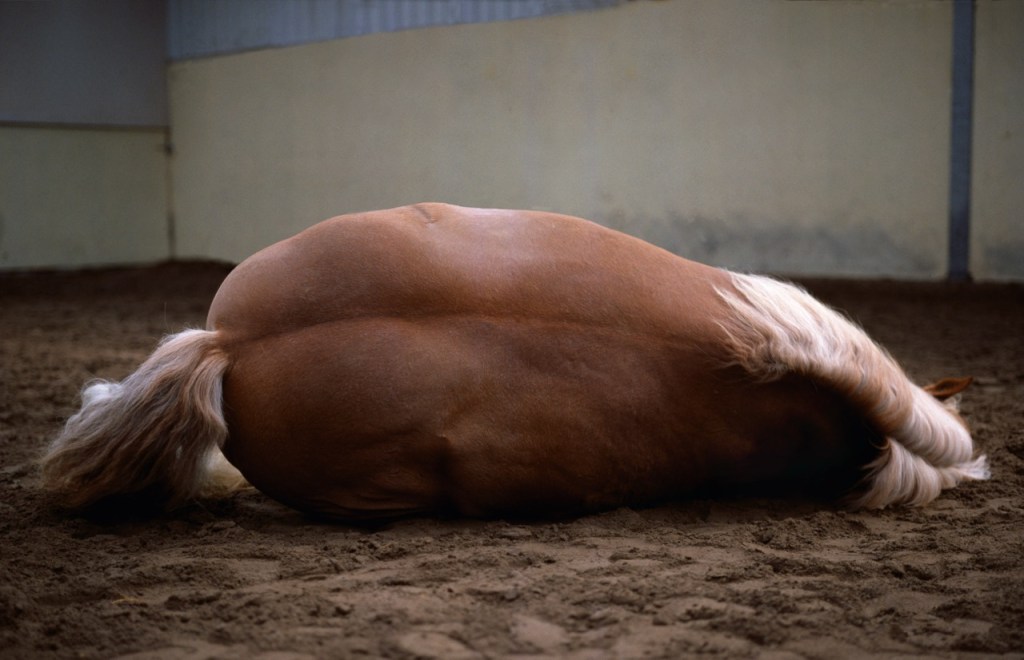
Her best-known projects include Anima, a series of portraits of military horses; Retrieved, depicting search-and-rescue dogs that worked after the September 11 attacks; and A Terra, a photobook documenting stray dogs in Palermo, Sicily.
Exhibited internationally, Dumas’s work is widely recognized for its quiet intensity and its ability to challenge human-centered perspectives. Through her images, she invites audiences to consider the shared experiences of vulnerability, presence, and coexistence that connect humans and animals alike.
シャルロット・デュマ(1977年、オランダ生まで)は、人間と動物の関係性を探求するオランダの写真家・映像作家。アムステルダムのGerrit Rietveld Academieを卒業後、肖像写真を出発点としながら、次第に動物を主要な被写体とした作品を制作するようになる。
写真と映像を用いる彼女は、動物を象徴やメタファーとしてではなく、それぞれ固有の存在として捉え、その存在感や自律性、感情の豊かさを表現しようと試みる。彼女の実践を貫くテーマは、共感、身体性、記憶、死生観、そして異なる種のあいだに存在するつながりであり、被写体と長い時間をかけて向き合い、丁寧に観察することで、人間以外の生きものと世界を共有することの意味を問いかける作品を生み出している。
代表作に、軍馬を撮影した《Anima》、September 11 attacks後に活動した捜索救助犬を写した《Retrieved》、そしてシチリア島パレルモの野良犬たちを記録した写真集《A Terra》などがあり、その作品は世界各地で展示されており、静かな緊張感と、人間中心的な視点を問い直す力によって高く評価され、作品を通じて、人間と動物を結ぶ脆さや存在感、そして共生のあり方について深い考察を促している。
–
Questions to Charlotte Dumas シャルロット・デュマへの質問
1) Please briefly explain the concept of your work.
あなたの作品のコンセプト(構想・主題)について、簡潔に説明してください。
If there is such a thing, I think the main concept behind my work is an attempt to connect with the other—whether human or animal. The drive behind what I do has to do with empathy and with a longing to understand how we relate to one another: individually, as species, and between species as a whole. Inevitably, this also touches on the question of what it means to be human.
In my practice, I try to remain attentive to the unexpected—to what I did not intend to find or set out to encounter. Over the years, I have developed working methods that help initiate and sustain this openness. It can be hard work at first, but once things begin to evolve, the process becomes deeply engaging and exciting.
Over time, relationships have developed with others—through collaboration and through the subjects of my work—which have become increasingly important to me. These relationships have shaped both me and my practice. When I begin a new work or project, I feel that they are of crucial value, often in practical ways, but also as a broader sense of support. In this sense, how I work has gradually moved more into the foreground than what I am working on, even though the two remain inseparable and equally important.
もし私の作品に一貫したコンセプトがあるとすれば、それは人間であれ動物であれ、「他者とつながろうとする試み」だと思います。私を突き動かしているのは共感であり、私たちが互いにどのような関係を築いているのかを理解したいという願いです。それは個人同士の関係であり、種としての関係であり、さらには異なる種のあいだの関係でもあります。そして必然的に、「人間であるとはどういうことか」という問いにも行き着きます。
制作において私は、予期していなかったものや、最初から見つけようとしていたわけではないものに注意を向けるよう心がけています。そのために、長年かけてそうした偶然や開かれた状態を生み出し、維持するための方法を育ててきました。最初は大変な作業ですが、いったん物事が動き始めると、そのプロセスはとても魅力的で刺激的なものになります。
また、共同作業をする人々や作品の被写体との関係を通して、さまざまな他者とのつながりが生まれてきました。それらの関係は私自身と私の実践の両方を形づくってきた大切なものです。新しい作品やプロジェクトを始めるとき、そうした関係性は実践的な意味でも、精神的な支えという意味でも欠かせない存在だと感じています。
その意味で、私にとっては「何を作るか」以上に「どのように作るか」が次第に前面に出てくるようになりました。ただし、その二つは切り離せないものであり、どちらも同じくらい重要です。
2) What role does the motif of the body play in your work?
あなたの作品において、「身体」というモチーフはどのような役割を果たしていますか?
This is a very interesting question—one I don’t think I’ve been asked before, yet one that feels highly relevant to my practice. When I am in the vicinity of my mostly animal subjects, I tend to rely strongly on intuition, which I experience as being ‘housed’ in the body. It involves a deliberate willing of a closing down of the intellect, something I find both pleasurable and often deeply exciting—like tapping into a realm that usually remains dormant.
I feel that we—certainly I—use the intellect so much that it becomes easy to override the knowledge and experience the body holds. The body offers a different mode of observing the world. Especially in encounters with animals, I rely on my body to tell me how close I can approach, what is being communicated nonverbally, and how to respond. I am deeply drawn to this form of communication in general, and I also value it in music and dance. It is something I often return to: what can be experienced in the moment by truly being present in one’s body.
とても興味深い質問です。これまで聞かれたことはなかったと思いますが、私の実践にとても関係の深い問いだと感じます。 私は主に動物を被写体としていますが、彼らの近くにいるときには強く直感に頼ります。そしてその直感は、私にとって身体の中に宿るものです。そこでは意識的に知性や理性を少し脇に置こうとします。それは私にとって心地よく、ときに非常に刺激的な体験でもあります。普段は眠っている領域に触れるような感覚です。
私たちは――少なくとも私は――知性を使いすぎるあまり、身体が持っている知識や経験を無視してしまいがちです。しかし身体は、世界を観察する別の方法を与えてくれます。特に動物との出会いにおいては、どこまで近づけるのか、どのような非言語的なコミュニケーションが交わされているのか、そしてどう応答すべきかを、身体が教えてくれます。
私はこのような身体的なコミュニケーションに強く惹かれていますし、それは音楽やダンスにも見出しています。私が何度も立ち返るのは、「身体にしっかりと存在することで、その瞬間に何を経験できるのか」ということなのです。
3) What does the theme of “embodiment (or corporeality, physicality)” mean in the context of your practice?
あなたの制作において、「身体性(身体を通した具現化 / 肉体性 / 身体的特質、物理的な存在感)」というテーマはどのような意味を持っていますか?
Perhaps the previous answer is actually more accurate in response to this question. Still, I think what I describe there mainly concerns how I experience my own body while working, whereas there is also an important role for the actual body that is present—or presented—in my work: the subjects portrayed in still photographs or moving images.
I think I try to capture the full embodiment of my subjects, giving them—hopefully—their autonomy: allowing them to be what they are, and not only what they might represent to us as viewers, even if that representational layer is a legitimate and perhaps equally valuable part of the work.
In this sense, the physical body of the subject has to be felt more than seen. It is easier to recognize an image of, say, a horse than it is to feel its presence radiating through a medium such as film or photography. This is where art stands out, and what I consider to be one of its profound values for society: its ability to make things palpable, to translate and transcend the subject matter it encounters—whether in music or literature, painting or film.
This process feels almost magical to me, and it contributes greatly to our capacity to empathize with others. Art can give form to something very abstract, something that can be felt and related to when experiencing the work. I may be drifting away from the original question here, but I believe that this kind of sensing is also ‘stored’ in our bodies and can be communicated between bodies.
It’s like when someone lightly touches you while asking how you are—you suddenly feel how you really are, rather than responding intellectually.
For me, perhaps art in general is about this touch: as if the work itself is touching you.
実のところ、この問いへの答えとしては、前の質問への回答のほうがむしろ適切かもしれません。さきほどは主に私自身が制作中にどのように身体を経験しているかについて話していました。一方で、私の作品の中には、実際にそこに存在する身体、あるいは作品の中で提示される身体も重要な役割を果たしています。静止画や映像の中に描かれる被写体たちです。
私は被写体の身体性をできるだけそのまま捉えたいと考えています。つまり、彼らに自律性を与えたいのです。鑑賞者にとって何かを象徴する存在としてだけではなく、まずは「そのものとして存在すること」を許したい。もちろんメタファーとしての読み取りも正当であり、同じように価値のある見方だと思います。
その意味で、被写体の身体は「見る」ものというより、「感じる」ものであるべきだと思っています。たとえば馬の写真を見て、それが馬だと認識することは簡単ですが、その存在感を写真や映像という媒体を通して感じ取ることは、もっと難しいことです。
しかし、まさにそこにアートの特別な力があります。そして私は、それこそがアートが社会にもたらす大きな価値のひとつだと思っています。芸術には、何かを実感できるものへと変え、出会った対象を翻訳し、さらにそれを超えていく力があります。それは音楽でも文学でも、絵画でも映画でも同じです。
私にとってそのプロセスはほとんど魔法のように感じられます。そしてそれは、私たちが他者に共感する能力を大きく育んでくれるものです。芸術は非常に抽象的なものに形を与え、それを感じたり、自分との関係の中で受け取ったりできるものへと変えてくれます。
少し話が逸れているかもしれませんが、私はこうした「感じること」もまた身体の中に蓄積されており、身体から身体へと伝達されるのだと思っています。
たとえば誰かに「元気?」と聞かれながらそっと肩に触れられると、自分が本当はどんな状態なのかを突然感じ取ることがあります。理性的に答えるのではなく、身体が先に反応するのです。
私にとってアートとは、おそらくこの「触れること」に近いものです。作品そのものが、あなたに触れてくるようなものなのです。
4) How do you think this theme connects to contemporary society and the world today?
このテーマは、現代社会や今日の世界とどのようにつながっていると思いますか?
Continuing from my previous answer, I would say that this theme of embodiment is, now perhaps more than ever, an extremely important one. As we increasingly experience our lives and emotions in the digital realm, it becomes dangerously easy to abandon our bodies altogether. I think there is a growing desire to relate to things and people that are real—things that can be touched and that have limits.
This applies not only to the relationships we have with others, but also to the material things we surround ourselves with, through which we experience life: music or literature, for example. A record or an album has a boundary; it lasts a certain amount of time. There is no algorithm determining what we listen to next, but rather a return to the slower process of choosing for yourself—with the possibility of missing out on certain things, but at the same time the possibility of experiencing serendipity in a different way.
I think we miss the human scale, and this is undeniably connected to the human body. It’s something I often talk about with others. Perhaps this is also where relationships with animals come in—as reminders of our own bodies. We need our bodies in our relationships with them; they are not (at least not yet) on social media, nor do they operate through abstract concepts like yesterday and tomorrow. Being in their presence is an analogue experience.
先ほどの話を引き継ぐなら、身体性というテーマは、今こそこれまで以上に重要になっていると思います。私たちは人生や感情をますますデジタル空間の中で経験するようになっています。その結果、自分の身体そのものを置き去りにしてしまう危険性が高まっています。
だからこそ今、人々のあいだには「本物」と関わりたいという欲求が強まっているのではないでしょうか。触れることができ、限界や境界を持つものへの欲求です。
それは人との関係だけではありません。私たちが生活の中で接するモノにも当てはまります。たとえば音楽や文学です。レコードやアルバムには始まりと終わりがあり、一定の時間を持っています。次に何を聴くべきかをアルゴリズムが決めるのではなく、自分で選ぶという、よりゆっくりとしたプロセスがそこにはあります。
もちろん、その結果として何かを見逃してしまうこともあります。しかし同時に、別のかたちで偶然の出会いを経験する可能性も生まれます。
私たちは「人間的なスケール」を失いつつあるのだと思います。そしてそれは間違いなく身体と結びついています。このことについては、私はよく人と話します。
おそらく動物との関係もそこに関わっています。動物は私たち自身の身体を思い出させてくれる存在なのです。彼らとの関係には、私たち自身の身体が必要です。動物たちは(少なくとも今のところ)SNSを使いませんし、「昨日」や「明日」といった抽象的な概念の中で生きてもいません。彼らと共にいることは、きわめてアナログな体験なのです。
2026 Spring
–
Entendue, 2022
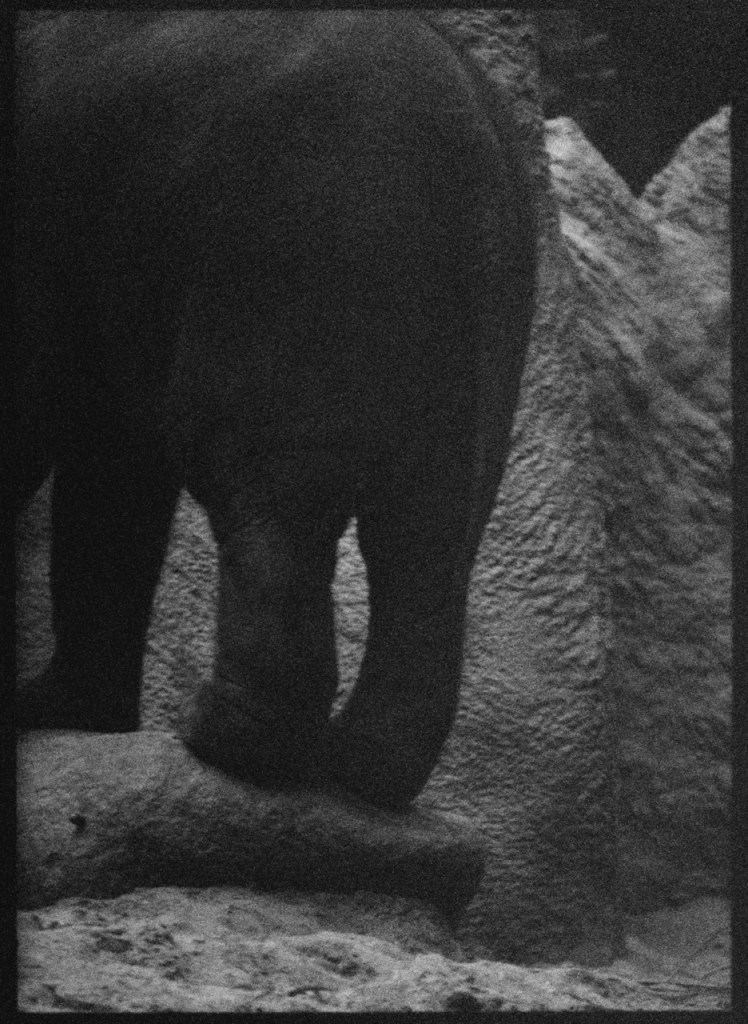
Entendue is an ongoing work involving different media that explores the cultural heritage of (Asian) elephants in relation to ivory objects found in museum collections. The project began in 2022, when I was invited to participate in the Thailand Biennial where I focused on the stories of two specific elephants that were taken from their native habitats and brought to foreign countries.
《Entendue》は、さまざまなメディアを用いながら、博物館のコレクションに収蔵されている象牙製品と関連づけて、(アジアゾウを中心とした)ゾウたちの文化的遺産を探究する継続中のプロジェクト。
このプロジェクトは2022年に始まり、作家がタイ・ビエンナーレへの参加に招かれた際、生息地から連れ出され、異国へと運ばれた二頭のゾウの物語に焦点を当てたことが、その出発点となっている。
A Terra, 2006
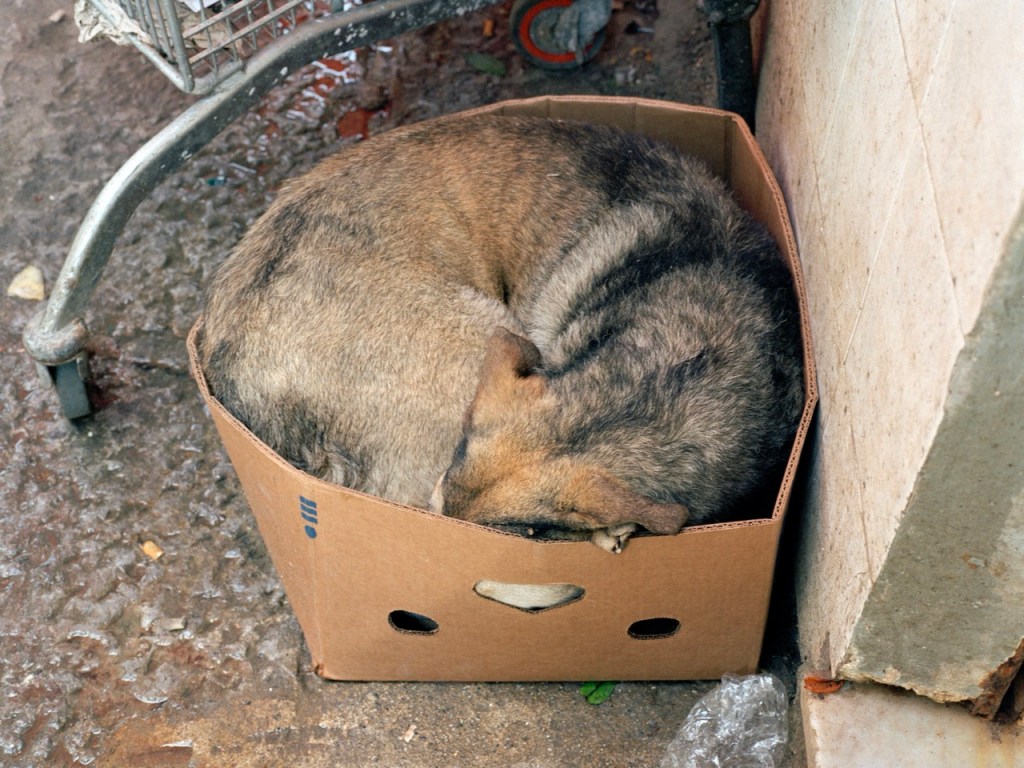
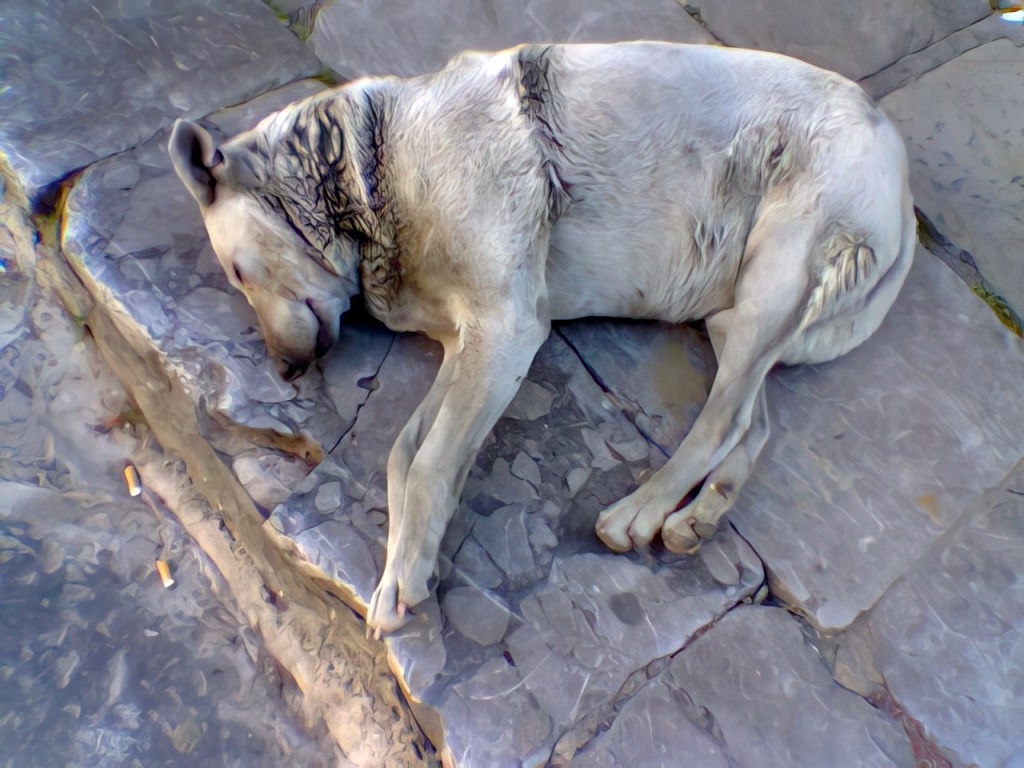
A Terra is a photobook by Charlotte Dumas that documents the lives of stray dogs in the historic neighborhoods of Palermo. Made from photographs taken during the artist’s stay in the city in 2006, the book observes these dogs not as symbols of neglect, but as members of a social community embedded in the urban fabric.
『A Terra』は、Charlotte Dumasによる写真集で、イタリア・パレルモの歴史的な街区で暮らす野良犬たちの姿を記録した作品。2006年に作家が同地に滞在した際に撮影された写真によって構成されており、犬たちを「見捨てられた存在」の象徴としてではなく、都市の営みに深く根ざしたひとつの社会的コミュニティの一員として捉えている。
–
Matterreal Audio: 002: Conversation with Charlotte Dumas

